
In the vast landscape of artificial intelligence, ChatGPT emerges as a beacon of conversation, understanding, and companionship. As an AI language model developed by OpenAI, ChatGPT represents the pinnacle of natural language processing, empowering users to engage in meaningful dialogues, seek information, and explore the realms of creativity. The Birth of ChatGPT ChatGPT owes itsContinue reading “ChatGPT: Your AI Companion in the Digital Age”
Tag Archives: 2024
Docker – Explained In 200 Words

Docker is a platform for developing, shipping, and running applications using containerization technology. Created by Docker, Inc. in 2013, Docker simplifies the process of building, deploying, and managing applications by packaging them along with their dependencies into lightweight, portable containers. Containerization allows developers to encapsulate applications and their dependencies into self-contained units called containers, whichContinue reading “Docker – Explained In 200 Words”
Ethical Hacking – Explained In 200 Words

Ethical hacking, rooted in the 1960s, evolved alongside the growth of computer networks and cyber threats. Early practitioners, dubbed “white-hat hackers,” pioneered techniques to secure systems. In the 1970s and 1980s, ethical hacking gained prominence as organizations sought ways to safeguard their digital assets. The Computer Fraud and Abuse Act of 1986 in the UnitedContinue reading “Ethical Hacking – Explained In 200 Words”
React Native – Explained In 200 Words
React Native is an open-source mobile application framework developed by Facebook, designed for building native mobile applications using JavaScript and React. Introduced in 2015, React Native allows developers to create cross-platform mobile apps that run on both iOS and Android platforms while sharing a single codebase. Key features of React Native include: 1. Single Codebase:Continue reading “React Native – Explained In 200 Words”
RUST – Explained In 200 Words
Rust is a systems programming language developed by Mozilla Research, designed for safety, concurrency, and performance. Originally announced in 2010 and released to the public in 2015, Rust was created by Graydon Hoare and designed to address common pitfalls of C and C++, such as memory safety issues and undefined behavior. Rust’s key features include:Continue reading “RUST – Explained In 200 Words”
SASS – Explained In 200 Words
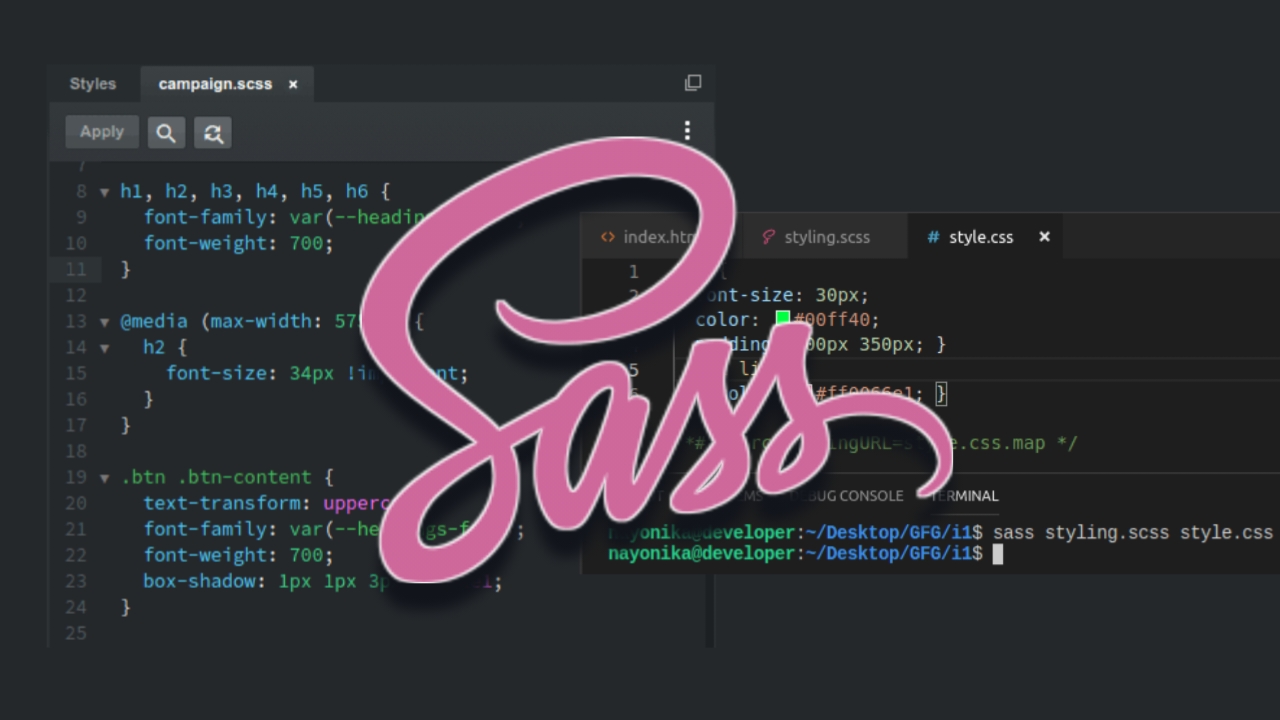
Sass, an evolution of CSS, emerged in 2006 as a preprocessor scripting language to address CSS limitations. Initially conceptualized by Hampton Catlin and later refined by Natalie Weizenbaum, Sass introduced advanced features like variables, nesting, mixins, and inheritance. For instance, Sass variables enable defining reusable values, such as colors or font sizes, enhancing maintainability: $primary-color:Continue reading “SASS – Explained In 200 Words”
Next.js – Explained In 200 Words
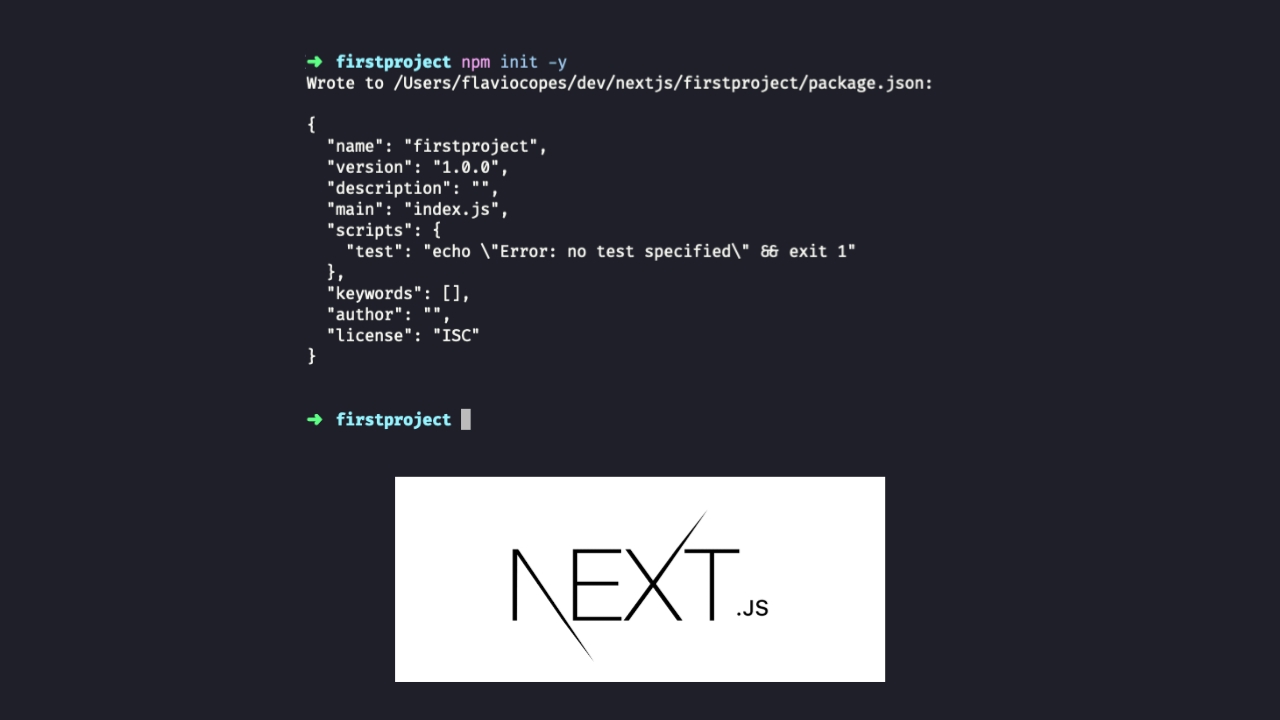
Next.js is a popular open-source React framework for building server-side rendered (SSR) or statically generated web applications. Developed by Vercel, it simplifies the development of React applications by providing a pre-configured setup with features like server-side rendering, client-side routing, and automatic code splitting. Key features of Next.js include: 1. Server-Side Rendering (SSR): Next.js enables developersContinue reading “Next.js – Explained In 200 Words”
Computer Networking – Explained In 200 Words
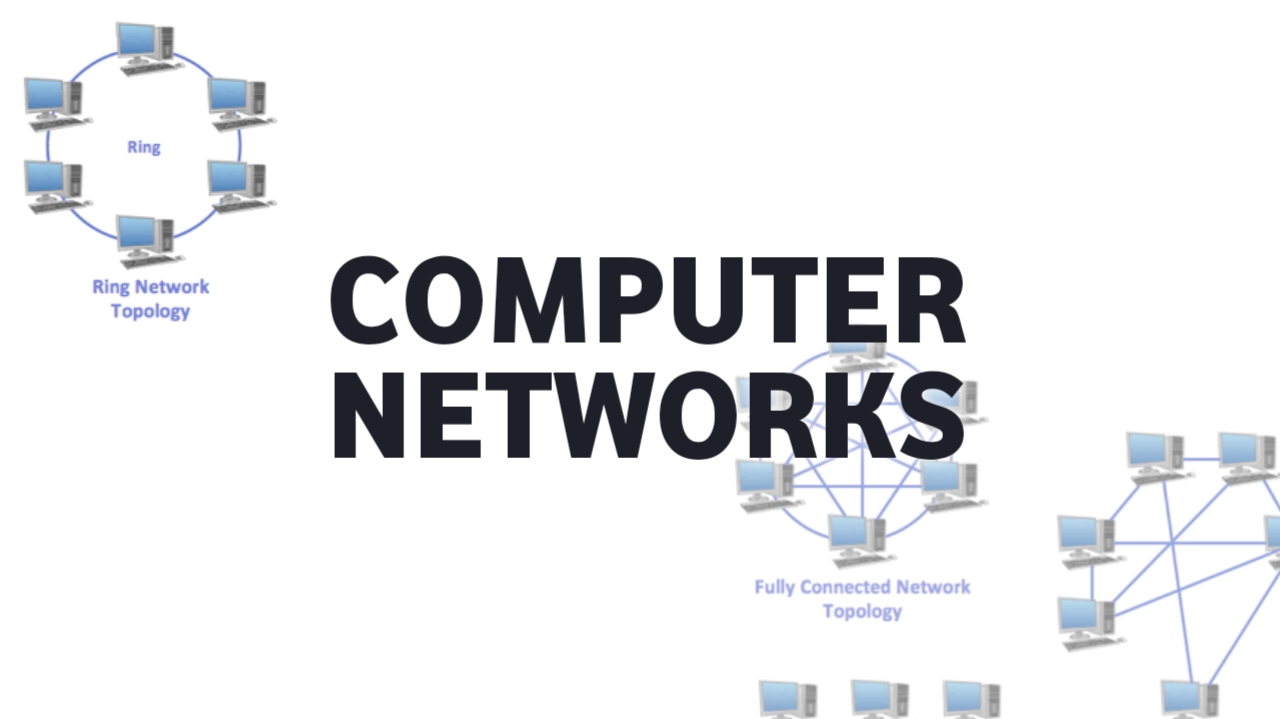
Computer networking refers to the practice of connecting computers and other devices to share resources and communicate with each other. It allows users to share data, resources, and applications across different locations, enabling collaboration and information exchange. The history of computer networking dates back to the 1960s with the development of early networking technologies likeContinue reading “Computer Networking – Explained In 200 Words”
Angular – Explained In 200 Words

Angular is a popular open-source web application framework developed by Google. It was first released in 2010 as AngularJS and later rewritten in TypeScript to become Angular 2+ in 2016. Angular is widely used for building dynamic, single-page web applications (SPAs) and large-scale enterprise applications. Angular follows the model-view-controller (MVC) architecture, where the application logic,Continue reading “Angular – Explained In 200 Words”
Metasploit – Explained In 200 Words
Metasploit is an open-source penetration testing framework used for developing, testing, and executing exploit code against remote targets. Developed by H.D. Moore in 2003, Metasploit provides a comprehensive suite of tools and utilities for security professionals and researchers to assess and exploit vulnerabilities in networks and systems. Metasploit offers a vast database of known vulnerabilities,Continue reading “Metasploit – Explained In 200 Words”
 Byronic